
Look Attentively (But Only On The Good Things)
Although there are plenty of ‘life-affirming’ films, and although it is important to address some of them, or the genre in general, these types of films are usually too superficial, sometimes embarrassingly shallow, to be taken seriously, so I skip them. But I just came across the film “Nine Days” which is not only part of the genre, it is also, in my opinion, not a bad film, certainly better than most films of this type, and so I want to review it from an antinatalist perspective, not only as a model of ‘life-affirming’ films but also independently.
The film “Nine Days” follows the nine-day process of choosing one soul from a number of candidates to be “granted” life. The process is revealed to us through the work of a “soul arbiter” named Will. Will spends his time watching the lives of the souls he has chosen, from their perspective, on television screens, and he takes notes and files them.
Will lives in an isolated house in the middle of the desert, essentially alone, except for occasional visits from Kyo, whose job is to oversee Will’s soul selection.
We get a glimpse of some of the people Will is watching: Luisa, who is preparing for her wedding, Fernando who moves around on a wheelchair, and Rick who is a high school student who suffers from bullying on a daily basis.
Will also records the lives of his choices on VHS tapes, so he can choose to watch particular moments multiple times and whenever he wants. He usually chooses to watch his favorite selection, a 28 years old prodigy violinist called Amanda, playing her violin.
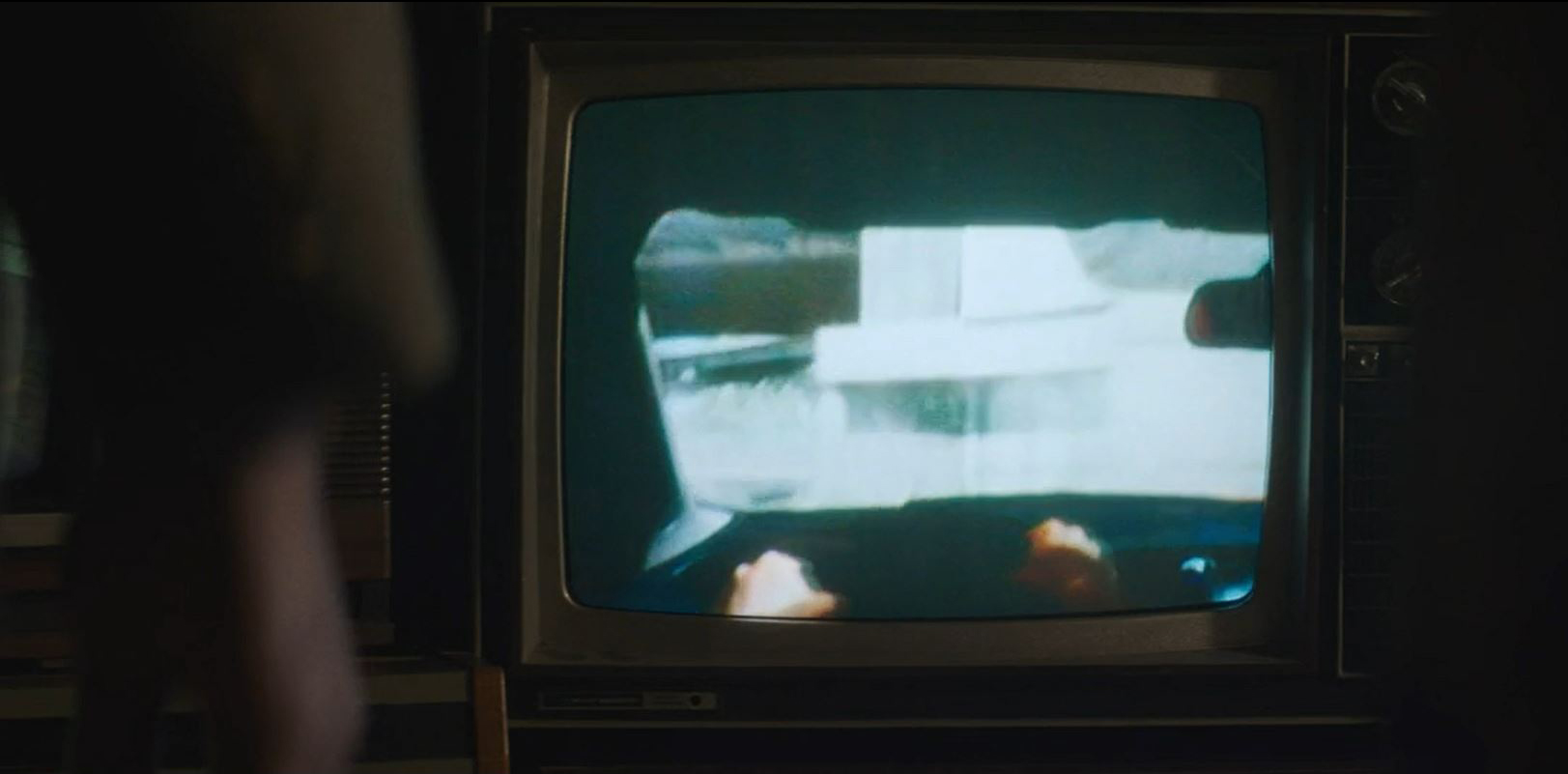
Amanda has a big concert and Kyo comes to the house to watch it with Will. On her way to the concert, Amanda suddenly speeds up her car, crashes into an overpass and dies. Will refuses to consider the option of suicide. He obsessively watches the crash, as well as old tapes of her, in an attempt to figure out what went wrong.
Meanwhile, new candidates arrive at the house and Will has to choose one to replace Amanda. Will has nine days to make his choice. He interviews each of them individually without them meeting each other. On the first day, he asks each of them to respond to a hypothetical scenario set in a concentration camp, in which they must choose between killing their son or killing the entire camp because their son tried to escape.
Four candidates pass this test and make it to the second day. They are: a sensitive and insecure artistic guy named Mike, a shy romantic woman named Maria, an easy going friendly self-absorbed guy called Alexander, and a tough and confident realist named Kane.
After the interviews, Will goes back to watch Amanda’s crash until he and Kyo hear a knock on the door. It’s another candidate who arrives late. She acts differently in other ways too, for example, she wants to choose her own name (Emma), and she answers Will’s questions with questions of her own.
As opposed to Will, Kyo finds it interesting asking Will:
Kyo: “So, what do you think of her?”
Will: “She didn’t answer my question.”
Kyo: “And how bad is that?”
Will: “Everyone else answered it.”
Kyo: “Maybe she’s more unique than everyone else.”
Will: “Maybe. Or maybe she’s the most likely to fall on the battlefield.”
Kyo: “You always talk as if you were sending them to war.”
Will: “And you always talk as if you’ve been alive to know anything.”
Will says this because as opposed to Kyo he was alive once, so he knows that in many senses it is indeed like sending them to war.
That is why despite, and probably because, Will likes Mike, he decides not to send him to war.
Too good. Too kind. Too sensitive.
Will asks the candidates to observe the lives of his previous candidates and write what they like about them. Mike is very disturbed by what he sees and so he prefers not to express it in words but in a drawing. But he doesn’t want to show Will his drawing because he is embarrassed. Will insists and snatches the paper that Mike is holding and sees that it is a beautiful but rather sad drawing of a beach. Will asks Mike if he doesn’t like the drawing and Mike replies “I hate it”. Will realizes that Mike is too fragile a soul to exist and invites him into a conversation that goes like this:
Mike: “Did I do something wrong?”
Will: “No. You didn’t do anything wrong.”
Mike: “I knew I… I knew… that I wasn’t good enough.”
Will: “This has nothing to do with being good or bad.”
Mike: “So this is the end of it. I guess we never really got started.”
Will: “It’s not about the time that you spend. You’ve been here a few days, but you’ve lived every second with honesty and intensity. There’s no shame in that.
Now… I want you to think of what you saw on those TVs, and pick a moment truly meaningful for you. I know it’s not much, but if you allow me, I will do my best to recreate that moment for your experience.”
Mike: “I’m sorry.”
Will: “Don’t be sorry. You’re good.”
Mike: “Thank you.”
What does it say about life that someone as gentle, humble, and conscientious as Mike, who as Will attests to as a good “soul” is not a good fit? And what does it say about life that choosing (supposedly) whether to exist or not “has nothing to do with good or bad”?

Meanwhile, romantic Maria spends her time watching Luiza’s loving relationship with her future husband, while Kane watches Rick being bullied day after day. Alexander, on the other hand, gets bored watching people’s real lives and prefers to watch stand-up comedy (via one of the people who watches stand-up comedy, of course).
However, Maria is the next one not to be chosen by Will.
Maria seems to have a bit of a crush on Will, who is probably afraid that her heart will be broken too many times in life, and therefore finds her unsuitable. And as is the case with everyone else he doesn’t choose, Will suggests that Maria choose a moment that he will try to recreate for her so that she can experience it herself.
The candidates were asked to make a list of things they like. Emma’s list is: sipping coffee, jumping into a pool, riding a bike, the touch of water, the touch of flowers, laughing, and eating a peach. Will tells her that she has to be a little more picky and when she doesn’t cooperate, he changes the task. This time he asks the candidates to choose things they don’t like.
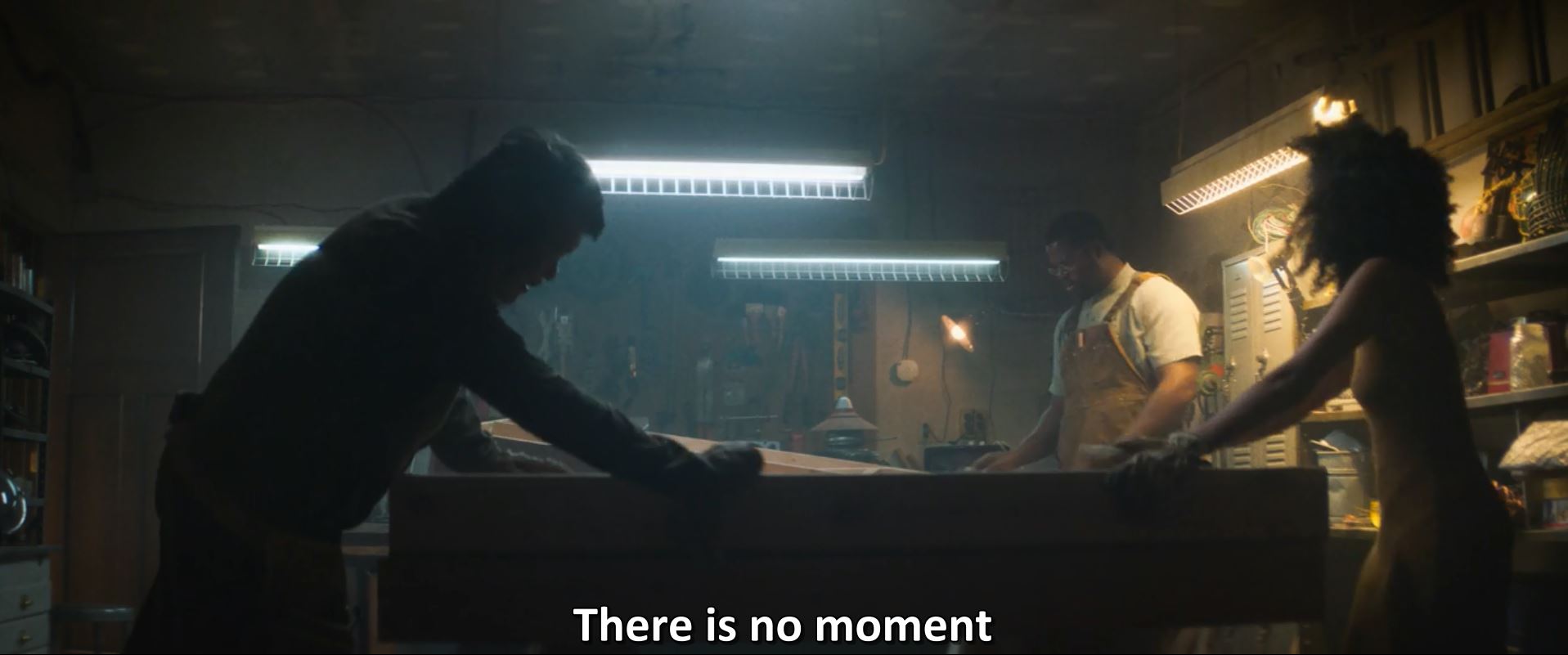
When Emma sees Will and Kyo building the setting for the moment that Mike chose to experience, she asks Kyo “If you could pick a moment, what moment would you pick?” Kyo replies: “Well, in the movies, when they climb the top of the mountain, they usually yell something out, so they can hear their voice echoing. Okay. I would take a deep breath, and, Oooooooouh… (yells like Tarzan)” Emma laughs and then asks Will, who replies ” There’s no moment” Emma insists: “Not a single one?” “No,” Will replies. Emma tries again: “From your whole life?” But Will is determent, “Nothing,” he says.
Later that night Emma talks to Kyo trying to understand Will:
Emma: “What happened to him? When he was alive?”
Kyo: “Will was… special.”
Emma: “Special how?”
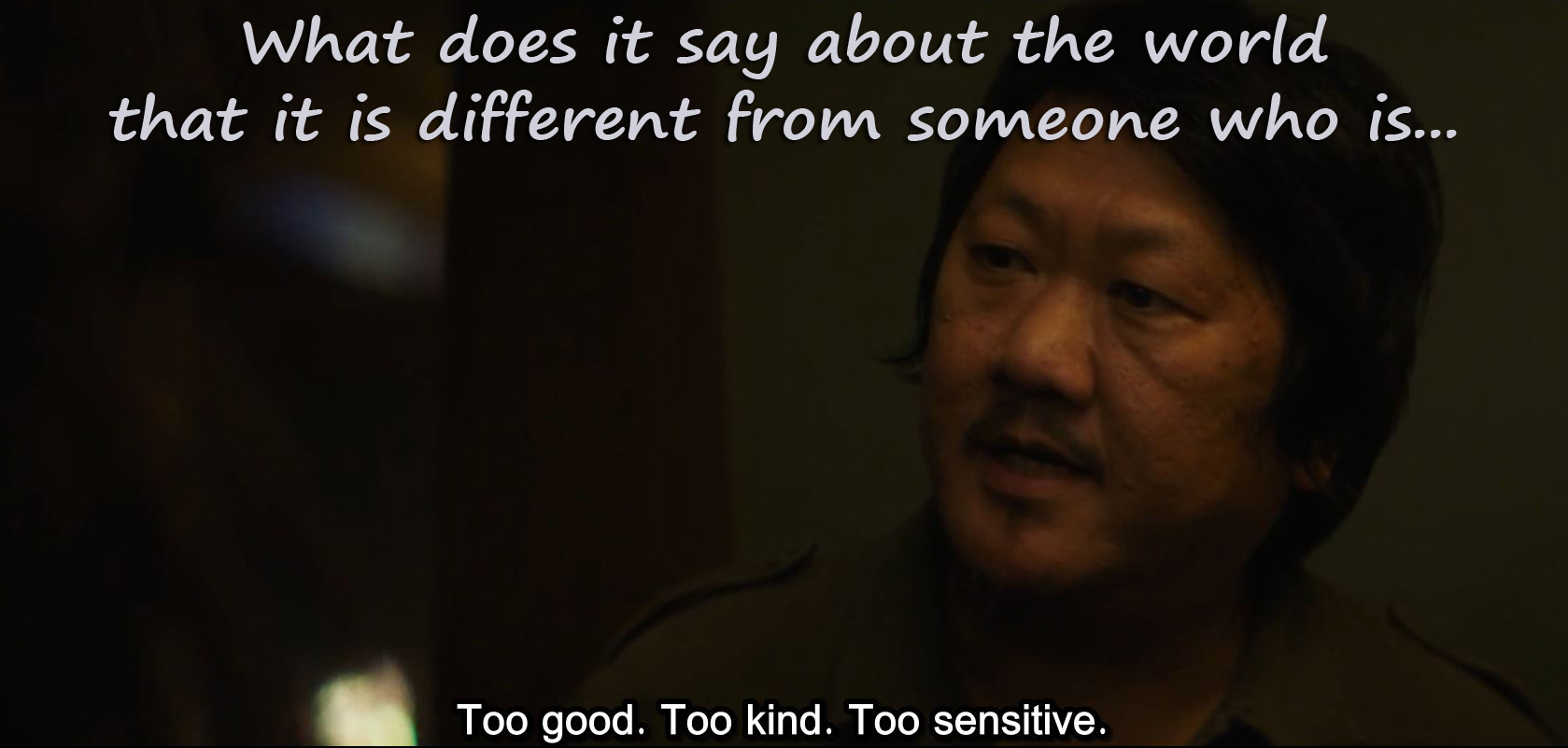
Kyo: “Too good. Too kind. Too sensitive.”
Emma: “But isn’t that a good thing?”
Kyo: “When I first saw Will, he was still in one of those TVs. Talented, but struggled his whole life to fit into a world different from him. Did have love inside him. Maybe too much. Too much love, no one to give it to. You know, we can’t do a lot from here, we really can’t, but there were days I wished I was with him, just to let him know he wasn’t alone as he thought he was.”
Like in the case of Mike, what does it say about life that someone who is too good, too kind, too sensitive like Will, doesn’t fit? What does it say about the world that it is different from someone who is “Too good. Too kind. Too sensitive”?
Will keeps watching Amanda’s crush, eliminating options like a pothole, oil stain, worn out tires, locked wheel and etc., and he is starting to realize that she may have actually killed herself. He tells Kyo: “You probably remember that she rarely cried. No tears, nothing. She never let it out. The only time she did that… was when she played the violin. It makes me wonder if there was a part of her that she was always hiding, like something that she never showed, that we never saw…”
Meanwhile, Alexander shares with Will what he doesn’t like about the lives of the people he watches, telling him:
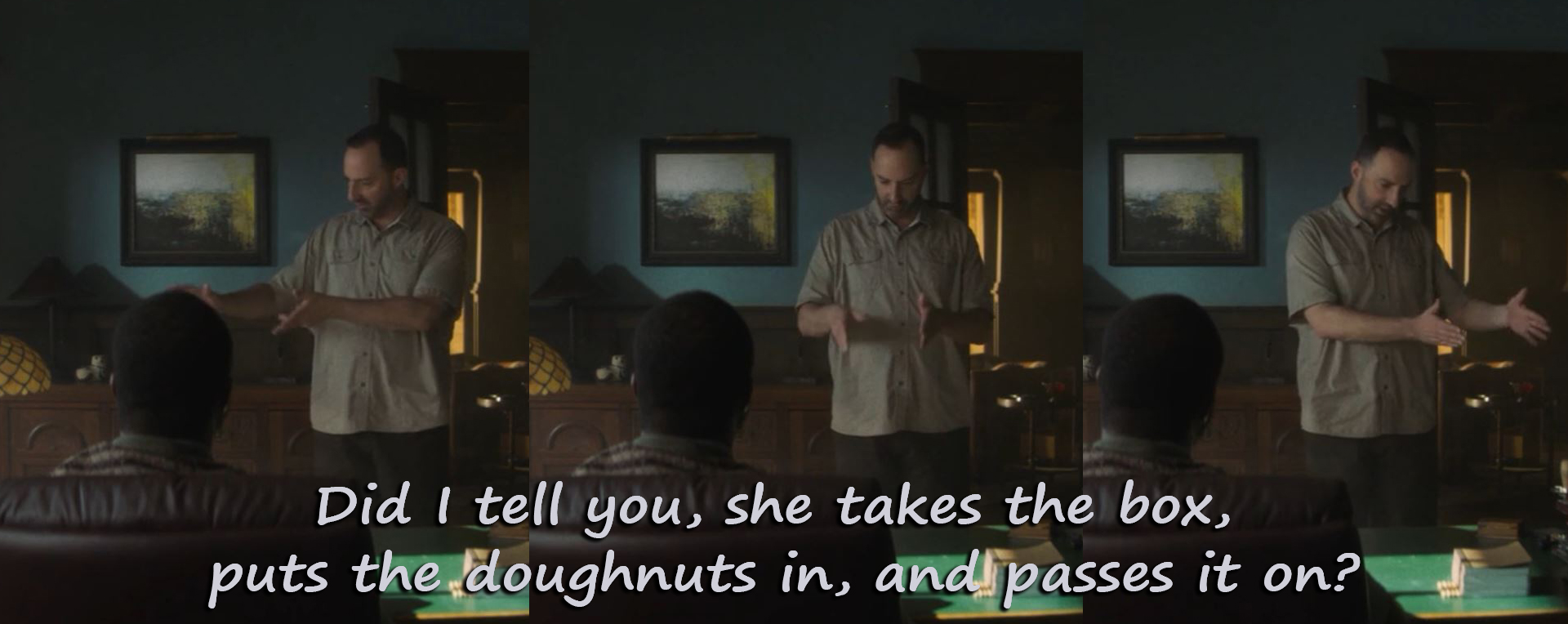
“She takes the box, puts the doughnuts in, and passes it on.
She takes the box, puts the doughnuts in, and passes it on.
She takes the box, puts the doughnuts in, and passes it on.
She takes the box, puts the doughnuts in, and passes it on.
Did I tell you, she takes the box, puts the doughnuts in, and passes it on?”
I mention this brief and seemingly insignificant moment in the film because I find it very important. Although Alexander is presented as the least favorite candidate for us viewers, and therefore we, the viewers, are not supposed to take him very seriously, his portrayal should be taken very seriously. The pointlessness he describes with dry cynicism represents most of the day for most people in the world. Most people spend most of their waking hours on pointless tasks like this. Most people don’t get to be a prodigy violinist but more or less take a box, put something in it and pass it on.
Eaten Flowers
While Alexander points out what’s wrong with life through a focus on boring, pointless routine, Kane points out what’s wrong with life through harsh bullying. He shares his observations with Will:
Kane: “Hmm. I’ve been watching this one kid, Rick, for the past few days.”
Will: “How’s it going, man?”
Kane: “And every time I see him, his classmates are picking on him. Hurting him, stealing from him. I don’t like what the kids do to Rick, but what I really don’t like is what he doesn’t do.
He never reacts. He never does anything. He just takes it.”
Will: “What would you do in his position?”
Kane: “I would hit back.”
Will: “So you’re justifying violence.”
Kane: “Well, it’s not… It’s not violence if you didn’t start it.”
Will: “Then what is it?”
Kane: “Justice. It’s the only way… It’s the only way you’d get them to stop.”
As opposed to Kane, when Will asks Emma what she would do if she were Rick, she says “I would talk to the kids”. Will says “It’s not gonna work”, and Emma says “I would talk to them again”.
Determined to challenge Emma, Will shows her and the other candidates what happened to Fernando. Fernando was a police officer who, during a chase after a criminal, found himself in a situation where he and the criminal were pointing guns at each other. Fernando didn’t want to shoot the criminal and asked him to put down the gun. The criminal didn’t listen and shot Fernando, who became paralyzed. Emma says she doesn’t know what she would have done. Kane immediately replies that he wouldn’t have thought twice, ” The moment he moved, he would be dead.”
Considering Emma’s reactions to Rick and Fernando’s situations, Will decides to go with Kane. Only Kyo’s attempt to convince him otherwise makes him wait a little longer with his verdict. They have the following conversation:
Will: “I’ll eliminate her tonight.”
Kyo: “What? Why?”
Will: “She didn’t show me what I needed to see from her.”
Kyo: “Let me guess. You want her to be tough? Maybe kill someone?”
Will: “You want me to pick another prey like I did before.”
Kyo: “A prey? Prey? What the fuck are you talking about? Last week Amanda was your pride and joy. Now she’s a failure?”
Will: “She’s not a failure. You wouldn’t understand, because you’re…”
Kyo: “Because I’ve never been alive?”
Will: “Yes.”
Kyo: “That what you’re gonna say?”
Will: “Yes, that’s what I was going to say.”
Kyo: “You know, what I hate most about you is that look in your eyes as if you think you knew everything when you just shat on the opportunity you had.”
Will: “”Opportunity.” I hope you have it. So you can stop this nonsense jealousy.”
Kyo: “I’m not jealous.”
Will: “You can’t even see it.”
Kyo: “It’s not about me or you. It’s about giving her a chance.”
Will: “Yeah, let’s send her. That’s a great idea — I send flowers and everyone send pigs to eat them.”
Despite my strong objection to the speciesist and ignorant content of this metaphor (pigs are actually very gentle, sensitive, and intelligent beings), I strongly agree with the idea it is trying to express. Unfortunately, this world is no place for gentle creatures. So much so, that some flowers choose to commit suicide, as Amanda did.
Hole Full of Shit
Kyo informs Will that another interviewer, one who chose Amanda’s cousin, found a suicide note from Amanda at her cousin’s house. Will finally understands what he has been refusing to accept. He takes it very hard and talks to Kyo about it:
Will: “Why do you think she did it?
Twenty-eight years watching her, and I couldn’t see a warning sign.”
Kyo: “Even if you saw all the signs, what could you do from here? Nothing.”
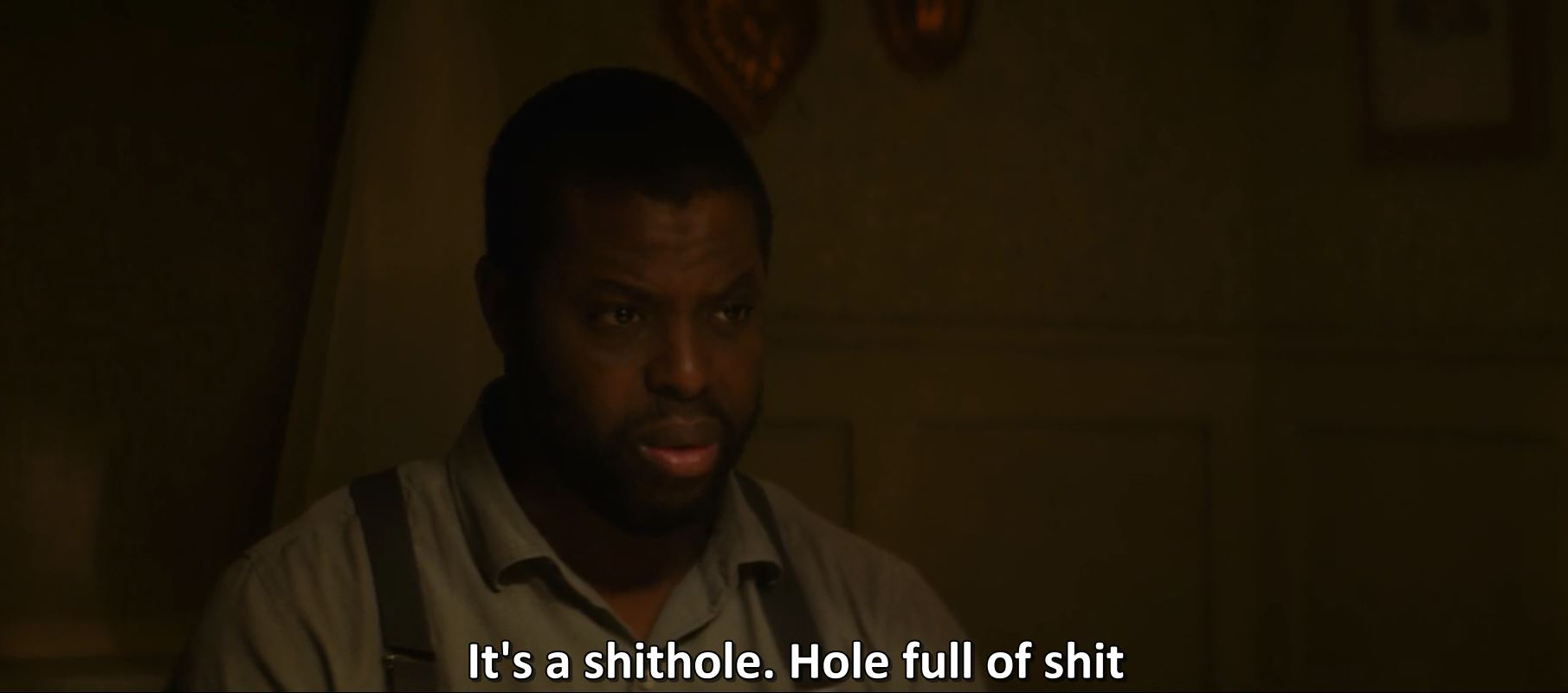
Will: “I couldn’t do anything. All I can do is send them to that shithole and say, “Survive it.””
Kyo: “It’s a shithole?”
Will: “It’s a shithole. Hole full of shit.”
Will is not Amanda’s parents, he just watched her for twenty-eight years and he didn’t see any warning signs. Her parents, on the other hand, not only watched her but also raised her, and lived with her, and they didn’t see any warning signs either. And even if they did, apparently they couldn’t do anything from there either.
Why Are You Not Focusing On That?
In one last attempt to convince Will to choose Emma over Kane, Kyo organizes a dinner party for the four of them. He tells a disgusting story and challenges the others to tell an even more disgusting one. While Kane’s particularly gruesome story is valuable in its own right, it’s the argument he has with Emma about it that I find more interesting. Here it is:
Kane: “A few days ago, I was watching the news of two middle-school girls who went missing.
Everybody started looking for them. Initially their parents were really hopeful that it was just a prank or something, right?
Well, two days later, the authorities found out that they were dead.
Turned out that their 60-year-old English schoolteacher raped and murdered those girls and then buried them in his backyard.
Now, when the police asked him why he did it, he said, um, because he was in love with them.
That was fucking disgusting.”
Emma: “I don’t think that was the type of disgusting he was referring to.”
Kane: “No, but it’s what I find disgusting.”
Emma: “Okay. I’m just curious why you decided to bring up this isolated case…”
Kane: “Isolated case? What do you mean? Stuff like that happens all the time.”
Emma: “All the time?”
Kane: “Yeah.”
Emma: “I feel like you’re bringing up an exception.”
Kane: “An exception? Are you kidding me? What world have you been watching?”
Emma: “The same world you’ve been watching.”
Kane: “I don’t think you have.
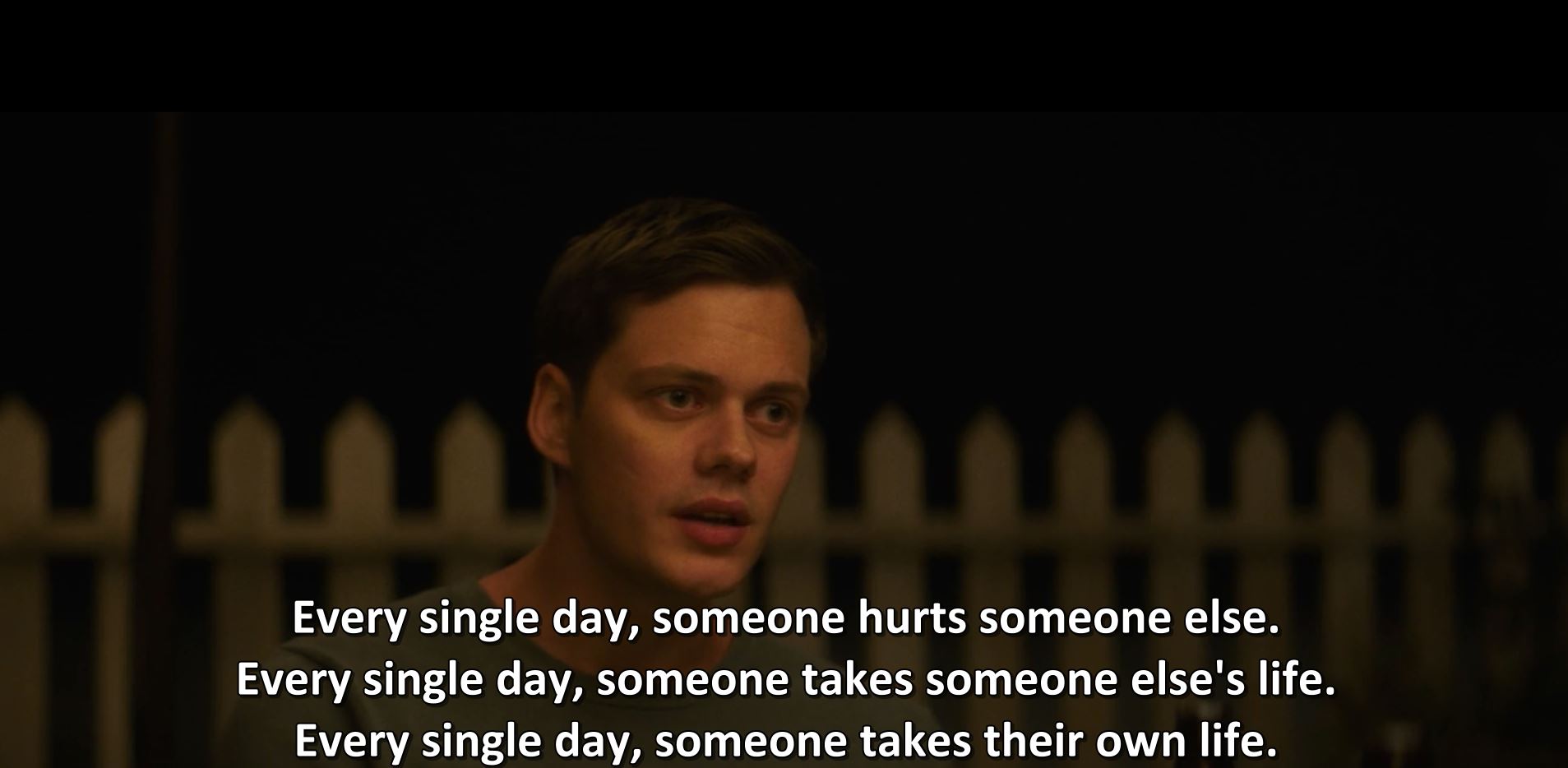
Every single day, someone hurts someone else.
Every single day, someone takes someone else’s life.
Every single day, someone takes their own life.”
Emma: “Why are you focusing on that?”
Kane: “Why are you not focusing on that?”
A Rather Harsh Indictment
Will doesn’t change his mind and picks Kane.
Emma leaves him a letter:
Will…
Probably by the time you read this, I’ll no longer exist.
I’m sorry that life didn’t go the way you wanted, and that all the pain you went through doesn’t allow you to see what I can see right now.
I took the freedom to write all the beautiful moments that I experienced in this house.
Look attentively, and you will always find these moments. Please, don’t take them for granted, because in my nine days here, I never did.
Emma.
Will walks around the house looking for Emma’s documentations of all the beautiful moments she experienced in the house. She wrote in all sorts of places: eating a peach, A day at the beach, Kyo yelling off a cliff, A bike ride, Laughing with Kane, Children laughing, Woman kissing a child, Drinking tea with Kyo, Walking barefoot.
Will runs out of the house into the desert. He sees Emma and stops her. The moment she asked Will to recreate for her was from a play Will was in when he was in high school. Will initially refused Emma’s request, but now that she has reawakened him, he is ready. He plays the part, and when it ends, so does the film.
Despite this clichéd and tacky ending, despite the fact that it’s pretty clear that viewers are geared to identify with the life-loving characters Emma and Kyo more than with the others, despite Will ultimately changing, I find this movie to be a pretty harsh indictment of life. If tough, rough people like Kane are the most suitable candidates, and if people like Amanda, who is portrayed as a talented, curious, fearless, sociable, and happy soul, were so miserable that she decided to end her life, and if someone like Mike wasn’t even given a chance, the movie actually says something very dark and harsh about life.
Considering that the candidates are supposed to represent personalities of actual people, but many of them are found unfit for life, this is a clear, even if unintentional, statement about real life. And in real life there are no qualifying tests, but rather anything goes. Whoever is created is created, including people with personalities similar to those who were rejected in the film. In real life, no one tests candidates for nine days to choose the most suitable candidate. In real life, sensitive and delicate people like Mike, or overly careless and self-absorbed people like Alexander, are constantly being created. These types of personalities are rejected in the film, but in the real world there are plenty of them.
Free Will
The feel-good ending scene, in which Will shows Emma that he hasn’t forgotten how to live, is supposed to be a good ending, but it’s not, because it means Will might send people like her or Mike to the shithole that is the world. It means he’ll send flowers for others to eat. How is that good?
It would have been terrible if Will had chosen Mike, but that doesn’t mean choosing Kane is good. Choosing someone like Kane may be better for the created person, but not necessarily for others. And it’s not even certain, because we saw what happened with Rick, who one day decided he was fed up with the bullying and killed one of the bullies who was torturing him, and in doing so, Rick ruined not only the bully’s life, but also his own life, and the bully’s family’s life, as well as his own family’s life. So all choices are terrible. The only reason to think that Kane is indeed the best option is because life is not good.
The best option is to choose no one. But that’s not one of Will’s options. However, this is an option for anyone considering becoming a parent.
Don’t Take Them For Granted
The main message and purpose of the film is to remind us that we should not take things for granted. However, it needs to be reminded that this notion goes both ways. Meaning, as happens in the film, you can run tests for potential candidates for nine days, supposedly pick the best option, which in Amanda’s case was probably also one of the best options ever, and yet she was so miserable that she decided to end her own life. So it is true that people should not take things for granted, but the other side of this is that people should not take for granted the creation of new people, since they may be unhappy and want to end their lives. Even if they are on the surface excellent candidates for life.
And as we all know, in real life there is no selection and there are no candidates. People are simply created randomly without anyone knowing in advance what kind of people they will be and what kind of life they will have. Creating life without having any idea who the person created will be and what kind of life they will have is taking life for granted.
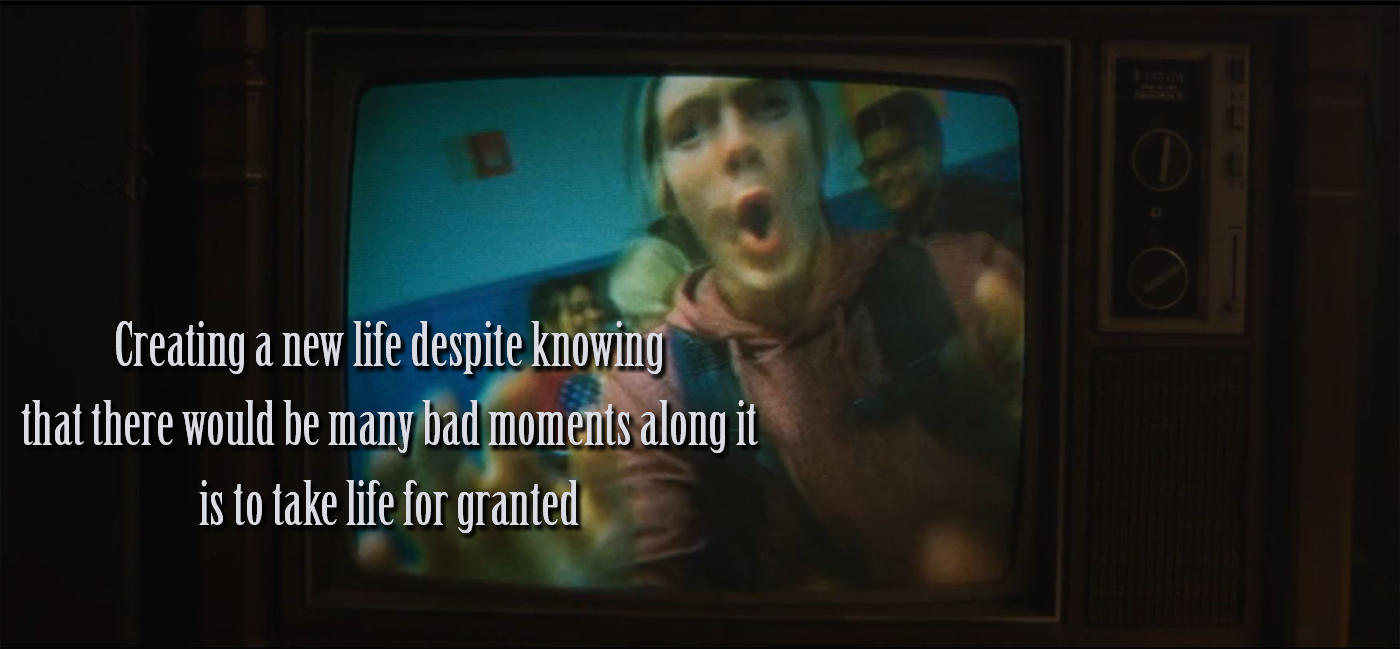
If you already exist, you are welcome to choose to focus on the little things that you find joyful, even though every single day someone hurts someone else. But you must never choose for someone else to be someone who hurts someone else or being hurt by someone else.
Life is a Peach and Then You Die
Speaking of harming others and of taking things for granted, at some point Emma takes pleasure in eating a peach and offers Will a bite. Will refuses and they are having a short but in my view meaningful conversation about food:
Emma: “You want some?”
Will: “No”
Emma: “Don’t you get hungry?”
Will: “I’m like you. I don’t get hungry, but I can eat.”
Emma: “So why don’t you eat?”
Will: “Because I don’t get hungry.”
Emma: “Is that really the point of eating?”
Will: “For me, it is.”
Emma: “All right.”
But it is not all right.
Of course we are expected to relate to Emma, since food is considered by most people to be one of life’s greatest pleasures. But that’s because most people are too short-sighted, shallow, ignorant, and self-absorbed to realize that food is actually life’s greatest source of suffering. Animals eat each other all the time, and the ways humans are producing food are most probably the greatest horrors ever. Although peach production, specifically, ranks very low on the list of the worst ways in which humans produce food, it is still harmful. Everything has a price, including eating a peach, and of course, unfortunately, most people are not content with the pleasure of eating peaches but consume mainly food that involves in one way or another the extreme torture of other sentient beings.
Regardless of this aspect, the joys of the little things in life, like eating a peach and the rest of the things on Emma’s list, cannot hold against the great horrors of life. A bike ride, a day at the beach, or shouting off a cliff cannot prevent Amanda’s suffering, the bullying that Rick endured, or the rape and murder of two middle school girls. And it cannot prevent the suffering of their devastated families. Tell the parents of the girls who were raped and murdered by their teacher that life is great because they can eat a peach, and they would probably shove a peach down your throat!
If what life has to offer against bullying, loneliness, purposelessness, misery, and psychopaths who rape and murder children is eating peaches, riding a bike, and a day at the beach, then no, we shouldn’t hold on to the simple things in life but hold back our desire to create more life.